

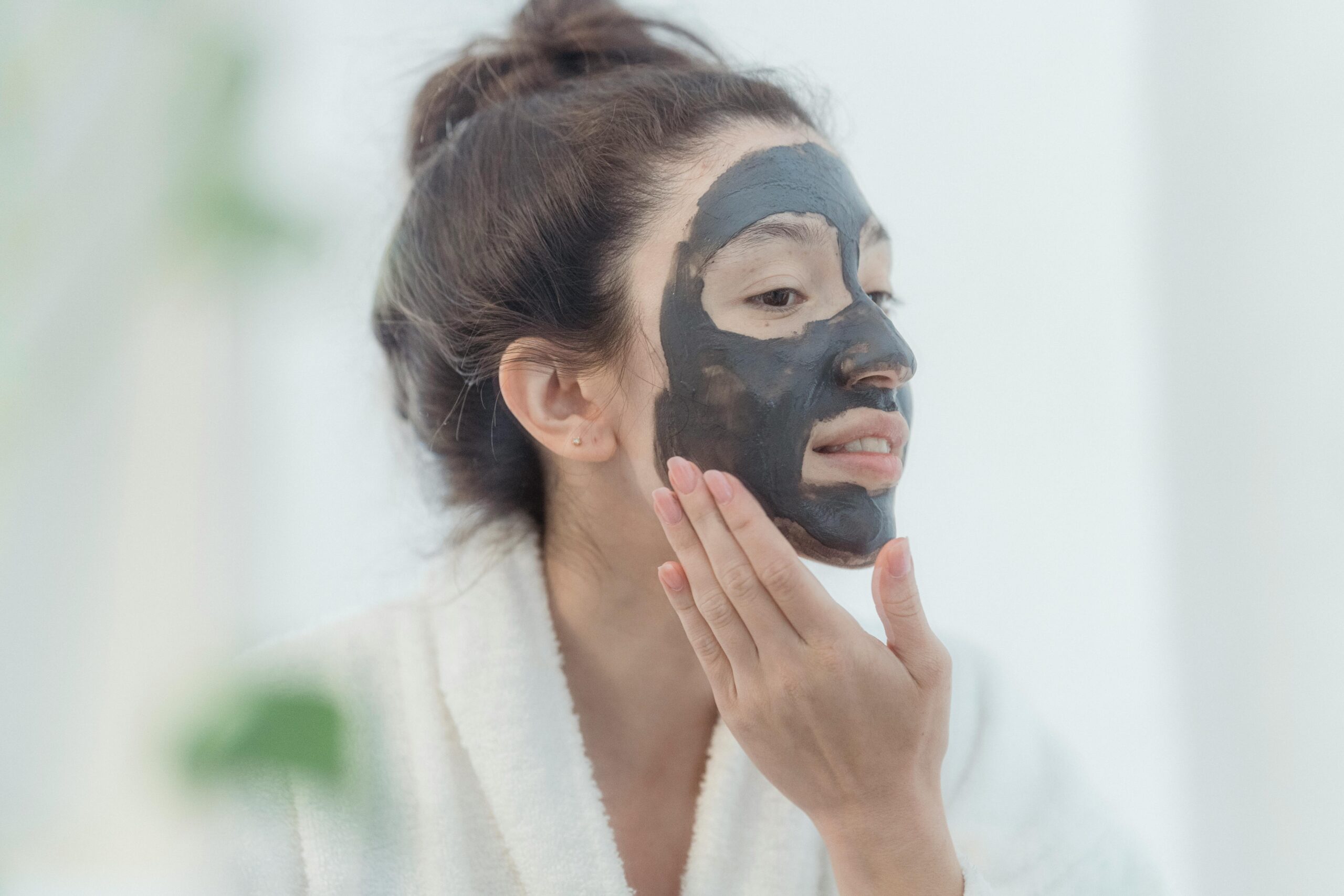
Having oily skin can be incredibly frustrating. Just a few hours after washing your face, your skin becomes oily again, resulting in a shiny complexion, furthermore, oily skin prevents makeup from staying put for very long. Excess oil can also lead to blackheads, acne, clogged pores, and enlarged pores. However—and here is the good news—oily skin can be managed effectively through a solid skincare routine, healthy habits, and smart lifestyle choices. By following a few simple steps, we can keep our skin balanced and healthy.
Understand Why Your Skin Produces Excess Oil
First and foremost, it is crucial for you to understand *why* your skin produces such an excessive amount of oil. Our skin naturally produces an oil-like substance known as sebum; this is generated to keep the skin moisturized and protected. However, some individuals’ skin releases significantly more sebum compared to others. There are several underlying reasons for this, including genetics, hormonal imbalances, conditions such as PCOD or PCOS, stress, humidity, and the use of unsuitable skincare products. Therefore, you should not attempt to completely strip your skin of all its oil; instead, your primary goal should be to control and balance it.
Choose the Right Face Cleanser
Selecting the right face cleanser is the first step toward controlling excess oil on your skin. You should wash your face twice a day using a mild, oil-free cleanser; this is the most effective way to keep your skin clean. Cleansing removes dirt, sweat, and excess oil from your face. However, if you wash your face more than twice a day, it can exacerbate skin problems and cause irritation. When the skin becomes excessively dry, it actually begins to produce even more oil; therefore, you should always wash your face just twice—once in the morning and once at night.
Don't Forget to Apply Moisturizer
People with oily skin often assume they don’t need a moisturizer because their skin is already oily; however, this is a very common mistake. Oily skin requires just as much hydration as dry skin does. If your skin becomes dehydrated, it will begin to produce even more oil in an effort to protect itself. Instead, opt for a lightweight, gel-based moisturizer that is oil-free. This will keep your skin hydrated without leaving it feeling sticky or greasy.
Exfoliate Your Skin Regularly
Exfoliation is a crucial step in managing oil production. Dead skin cells combine with oil to clog pores. This, in turn, leads to breakouts, active acne, and blackheads. Exfoliating once or twice a week helps remove dead skin cells and keeps pores clear. However, be mindful that excessive exfoliation can cause skin irritation and may even increase oil production.
Always Use Sunscreen
Many people avoid using sunscreen because they believe that applying additional products will make their skin even oilier. However, failing to use sunscreen can lead to skin damage and other complications when your skin is exposed to the sun. Alternatively, you can opt for an oil-free, gel-based, and lightweight sunscreen specifically formulated for oily skin. Sunscreen protects your skin from the sun’s harmful UV rays without adding any extra shine to your complexion.

Blotting Papers Can Be Helpful
If your skin tends to get shiny during the day, blotting papers can be extremely helpful. They quickly absorb excess oil from the skin without disturbing your makeup. Furthermore, they are easy to carry in a bag wherever you go and prove to be incredibly useful in the daily lives of people with oily skin. You can use them at any time throughout the day for quick makeup touch-ups.
Adopt a Healthy Lifestyle
And finally, your lifestyle plays a crucial role in the health of your skin. Avoiding junk food, maintaining a proper diet, drinking 7–8 glasses of water daily, and managing stress—all these steps will have a positive impact on your skin. Consuming excessive amounts of oily and sugary foods can sometimes lead to skin-related issues, so it is best to avoid them. Therefore, incorporate as many vegetables, fruits, protein-rich foods, and high-fibre foods as possible into your daily routine.
Final Thoughts
Controlling excess oil on your face may take some time, but with the right approach, it is certainly achievable. By following a good skincare routine, choosing the right products, and maintaining a healthy lifestyle and diet, you can keep your skin fresh and balanced. Always remember that having oily skin is not a bad thing; it simply requires proper maintenance and balance, along with a few lifestyle adjustments. In fact, it naturally keeps your skin hydrated and can even help slow down the signs of aging. With the right care, you can achieve healthy and glowing skin.
